
The Mistake: Trusting the Manual Release Cord During a Power Outage
Here's the argument almost every couple has at least once: the power goes out, someone says "just pull the red cord," and the other person says "that's not the same thing." The pull-cord answer is tempting because it's free, it's already hanging there, and when you test it on a calm Tuesday afternoon it works perfectly fine. The door lifts, you back the car out, no big deal.
The problem shows up when the power goes out for the reason it usually goes out here — a storm. Now you're disengaging the opener by hand, in the dark, possibly in driving rain, possibly while trying to load the car and leave in a hurry. Manual release also disconnects your auto-reverse safety sensors, and once you've pulled it, the door won't relock itself the way it does electronically. If you're evacuating and leaving the house unattended, that's not a small detail.
What Battery Backup Actually Is
A battery backup is a sealed, rechargeable battery built into (or added onto) the opener unit. It sits there trickle-charging off your home's power all the time, doing nothing, until the grid drops. When that happens, the switchover is automatic — usually within a second or two — and the battery takes over running the motor, the lights, and the safety sensors, plus your wall keypad and remote still work normally. You open and close the door the exact same way you always do. No cords, no standing outside in the rain muscling a door up by hand.
How It Works Day to Day
Most battery backup units are rated by the manufacturer for a certain number of open-and-close cycles per full charge — the exact number varies by brand and model, but it's generally enough to get you through several uses, not unlimited ones. Once grid power comes back, the battery recharges automatically over the next several hours. The battery itself typically needs replacing every few years, similar to a smoke detector battery, just bigger.
When You Actually Need It
This isn't a one-size-fits-all feature. It earns its keep in specific situations:
- The garage is your only reasonable way in or out of the house during bad weather
- Someone in the household has mobility issues and can't manage a heavy manual lift
- You keep a freezer, fridge, or medical equipment in the garage that depends on being able to get to it
- Your garage door is wind-load rated for storm resistance — those doors are engineered to perform correctly when fully closed and properly locked, and a dead opener can leave a door sitting half-open or unlocked right when you need that rating to matter most
- You've noticed outages tend to hit during the exact window you're trying to evacuate or secure the house
If none of that applies and you've got a detached storage building or a second way in, you may genuinely be fine without it. That's a reasonable call to make, not a cop-out.
The Trade-offs Worth Knowing
Battery backup adds to the upfront cost of an opener, and it's one more component that needs occasional attention. In this climate, humidity and salt air can shorten battery life faster than they would inland, and corrosion on the battery terminals is a real thing to check for, not a theoretical one. It's a small maintenance item, but it's not a "set it and forget it forever" feature — someone should glance at it during routine garage door maintenance.
What This Means for Homes Near the Coast
Hurricane season outages here don't politely wait for daylight or calm weather — they tend to show up with the storm itself, which is exactly when you most need the door to open or close reliably and lock properly. Combine that with the salt air, moisture, and swelling that already stress garage door hardware along this stretch of coast, and battery backup starts looking less like a luxury add-on and more like one piece of a reasonably prepared household.
When to Call Apalachicola Garage Door Service
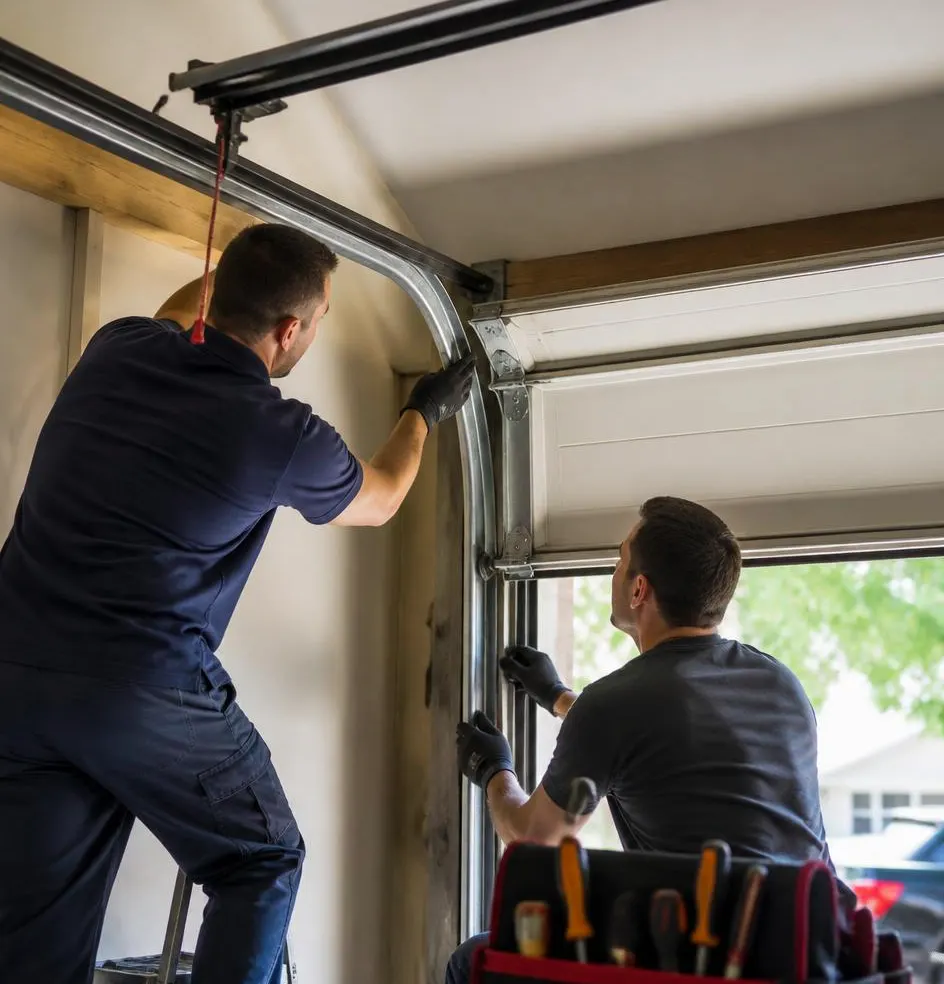
If you're installing a new opener and want battery backup built in from the start, that's a straightforward part of a Garage Door Opener Installation. If you already have an opener and just aren't sure whether the backup battery is still holding a charge, corroded, or even present, that's worth checking during a Garage Door Maintenance visit — we'll test the switchover, inspect the terminals for salt-air corrosion, and let you know honestly whether it's working the way it should, no upsell required.
If you're in Apalachicola, Eastpoint, Carrabelle, St. George Island, Lanark Village, Port St. Joe, Mexico Beach, or Crawfordville and want a straight answer on whether your setup is ready for storm season, give Apalachicola Garage Door Service a call. We'll settle the argument for you.